
The Hidden Risk in Gas Membrane Design: Rethinking the Use of Aluminium Foil
The Hidden Risk in Gas Membrane Design: Rethinking the Use of Aluminium Foil
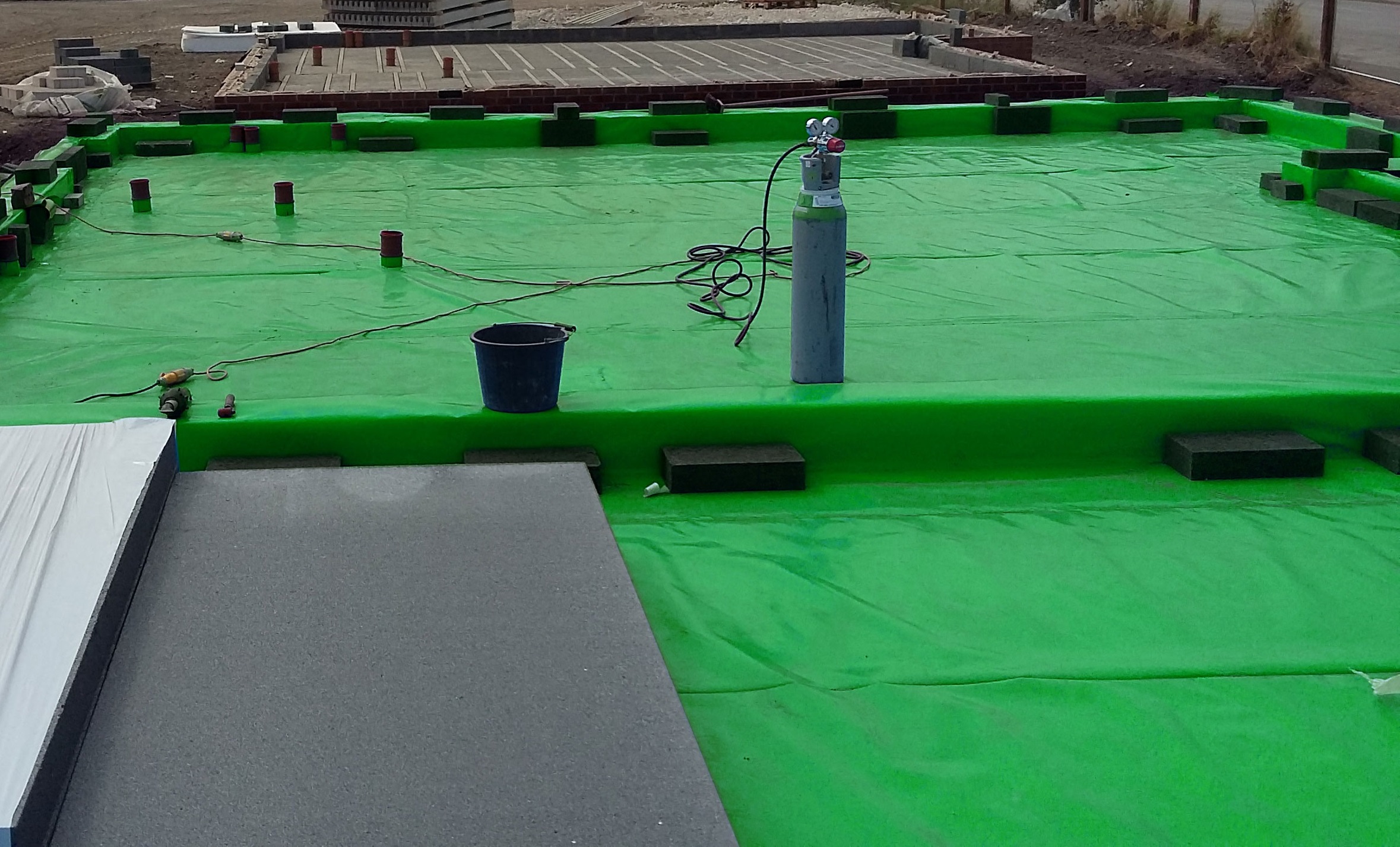
In the construction industry, gas and vapour barrier membranes play a critical role in protecting buildings and their occupants from harmful ground gases such as methane, carbon dioxide, and radon, as well as hydrocarbon vapours on contaminated sites. For many years, aluminium foil–encapsulated membranes have been widely regarded as an effective solution due to their strong resistance to gas permeation.
However, evolving industry understanding is now challenging the long-term reliability of these traditional systems, particularly when exposed to real-world site conditions.
The Problem with Aluminium Foil Membranes
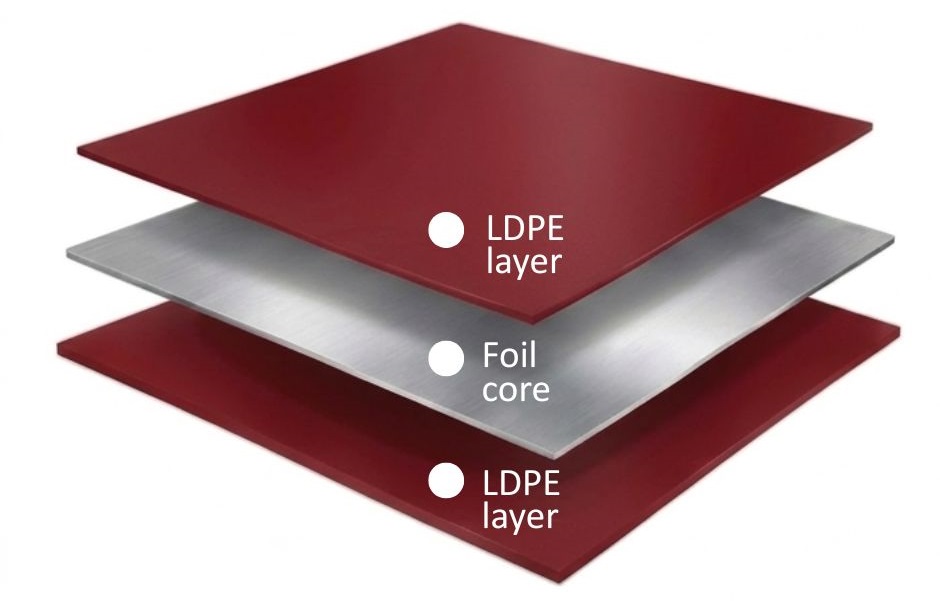
At the heart of the issue lies a material compatibility challenge. Aluminium, while highly effective as a gas barrier, is inherently vulnerable in alkaline environments.
When concrete is poured, it creates a highly alkaline condition. If the protective polyethylene layers surrounding the aluminium foil are compromised—even by minor punctures, abrasions, or installation damage—the foil can be exposed. Once this occurs, the consequences can be significant:
- Corrosion of the aluminium layer due to the alkaline nature of wet concrete
- Delamination of the membrane structure, reducing integrity
- Loss of gas and vapour resistance, undermining the membrane’s core function
Even small, often undetectable defects in the protective layers can initiate this process. As a result, industry guidance increasingly advises against placing aluminium foil membranes in direct contact with concrete slabs or screeds.
A Shift in Industry Thinking
These risks have prompted a broader reassessment of membrane design. Historically, the industry relied on two main approaches:
- Heavy-duty HDPE membranes, which offered durability but were often insufficient against hydrocarbon vapours
- Reinforced aluminium foil membranes, which provided strong gas resistance but introduced corrosion vulnerabilities
Over time, it has become clear that neither approach fully addresses the combined challenges of durability, chemical resistance, and long-term performance in aggressive ground conditions.
This has led to a growing consensus: removing aluminium foil from membrane design altogether offers a more robust and reliable solution in many cases.
The Move Toward Non-Foil Technologies
In response, the industry has increasingly explored advanced polymer-based barrier technologies that eliminate the need for aluminium layers while maintaining (or exceeding) required performance standards.
Non-foil membranes are designed to:
- Resist gas permeation without relying on metallic layers
- Avoid corrosion risks associated with alkaline environments
- Maintain structural integrity even when in direct contact with wet concrete
- Provide consistent performance across a wider range of contaminants, including hydrocarbons and VOCs
This shift aligns with modern guidance and standards, including BS 8485 and NHBC recommendations, which reflect a more cautious stance on foil-based systems.
The Development of Non-Foil Membrane Systems
Manufacturers have been responding to this shift for some time. Over the past decade, solutions have emerged that demonstrate how non-foil technologies can address both historical weaknesses and modern performance requirements.
For example, ITP has been involved in the development of non-foil membranes since early industry research into gas barrier performance, including work aligned with CIRIA C748 testing protocols. This has contributed to a range of products designed specifically to overcome the limitations associated with aluminium-based systems.
Recent developments continue this trajectory. New-generation membranes, such as those in ITP’s Powerbase NF range, are engineered without aluminium layers while maintaining compliance with key standards such as BS 8485 and EN 13967.
These systems are designed to address a range of site challenges, including:
- Ground gases such as methane, carbon dioxide, and radon
- Hydrocarbon and VOC contamination on brownfield sites
- Installation scenarios involving direct contact with wet concrete
Additionally, ongoing innovation is expanding application flexibility—for example, membranes that can bond to wet concrete or be applied in both horizontal and vertical configurations.
Evolving Practices
As construction practices evolve and performance expectations increase, material selection is becoming more critical than ever. The risks associated with aluminium foil corrosion—once considered a minor or manageable issue—are now better understood as a potential point of failure in gas protection systems.
The industry’s move toward non-foil membrane technologies reflects a broader trend: prioritising durability, compatibility, and long-term reliability over traditional assumptions.
While no single solution fits every scenario, it is clear that future-facing membrane design will continue to move away from aluminium foil, focusing instead on materials and systems that can withstand the realities of modern construction environments.
For further information and guidance, please contact our Gas Barrier Team on 01347 825200 or info@itpltd.com