
Breather Membranes for Partially Open Facades: The Importance of UV Resistance and Other Performance Requirements
Breather Membranes for Partially Open Facades: The Importance of UV Resistance and Other Performance Requirements
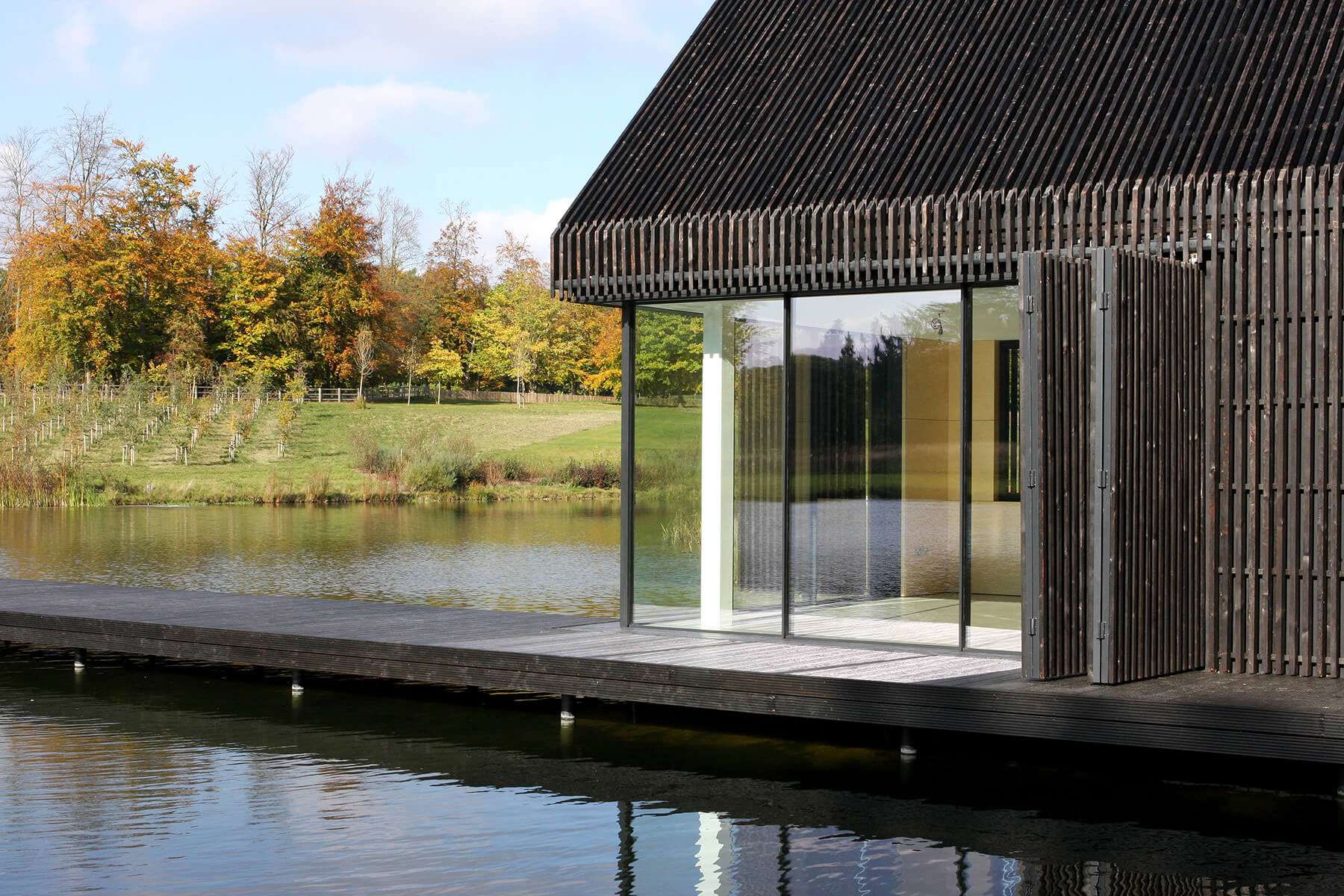
The growing popularity of open-jointed and partially open façade systems is giving architects greater freedom to create visually striking buildings with increased depth, texture and natural ventilation. Timber slats, perforated metal panels, expanded mesh and decorative rainscreen systems all offer distinctive aesthetic possibilities, but they also place significantly greater demands on the breather membrane concealed behind them.
Unlike conventional closed rainscreen systems, partially open façades expose the membrane to prolonged sunlight, wind-driven rain and fluctuating temperatures throughout the life of the building. As a result, selecting a membrane purely on the basis of standard breathability or water resistance is no longer sufficient. Long-term UV stability, fire performance, and durability all become critical specification considerations.
UV Resistance Must Be Proven, Not Assumed
Standard breather membranes are designed to remain concealed behind continuous cladding where they receive little or no exposure to ultraviolet light. However, prolonged UV radiation can gradually degrade conventional polymer membranes, causing them to become brittle and reducing both their mechanical strength and weatherproofing performance.
For this reason, membranes specified behind open-jointed or partially open façades must be specifically engineered and tested to withstand long-term UV exposure.
Current guidance recommends membranes used in these applications should be tested in accordance with BS EN 13859-2, including a minimum of 5,000 hours of accelerated UV ageing with an energy threshold of 812MJ/m². Equally important is the membrane’s ability to retain its key performance characteristics after ageing, including water resistance and mechanical strength, rather than simply surviving the test.
As architectural designs continue to incorporate larger openings and more exposed façade systems, proven long-term UV durability has become one of the defining characteristics of a suitable breather membrane.
Facade Geometry Should Drive Membrane Selection
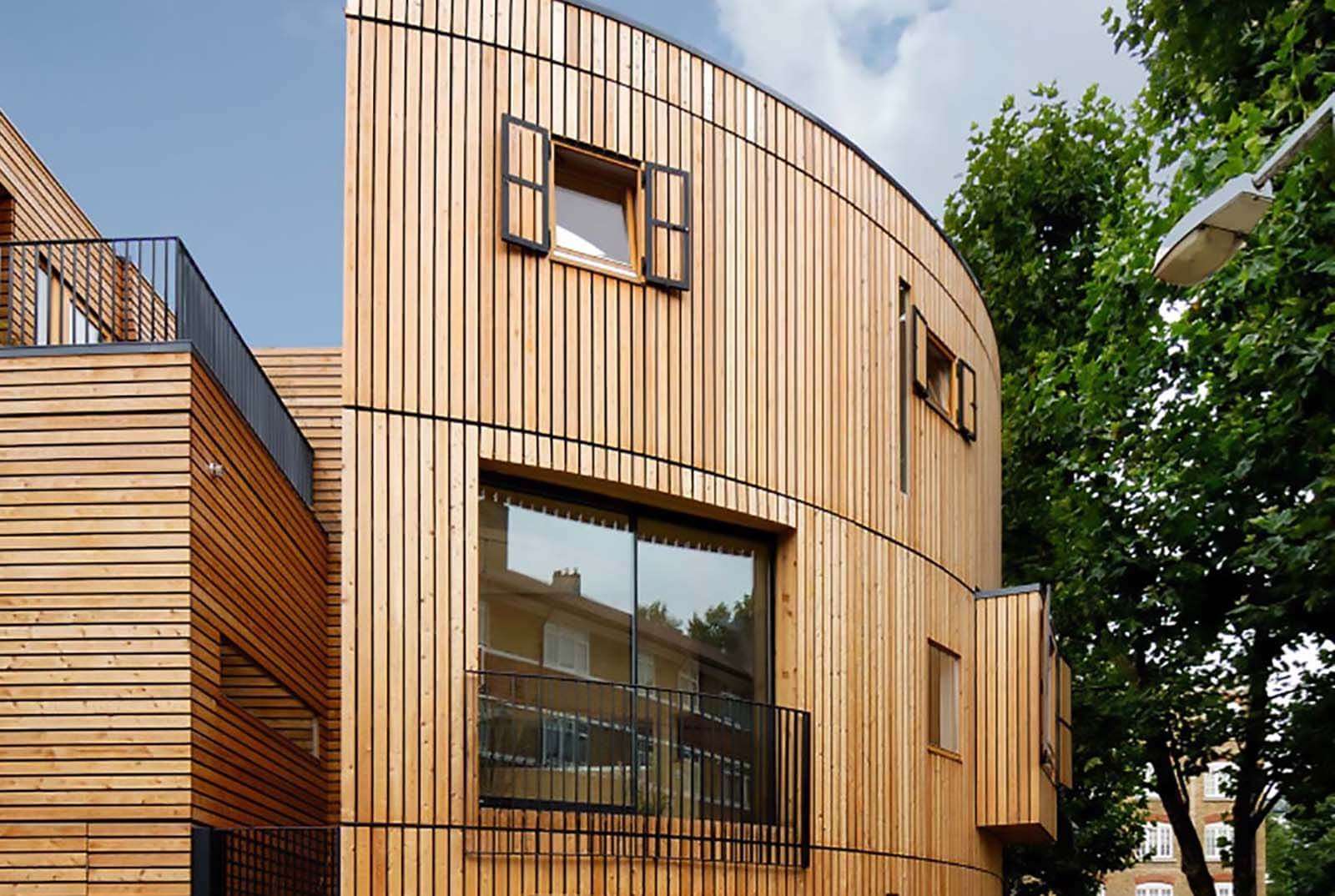
The amount of UV radiation reaching a breather membrane is determined largely by the design of the façade itself. Open-joint width, the percentage of open area, cladding profile, orientation and even building height can all influence the level of exposure over the building’s lifetime.
As a result, there is no single UV-resistant membrane that is suitable for every application. Instead, specifiers should select a product that has been tested and approved for the anticipated degree of exposure. Manufacturers which invest in advanced product development typically provide different membrane grades designed for varying joint widths and percentages of open façade area, enabling the membrane specification to be matched to the architectural design.
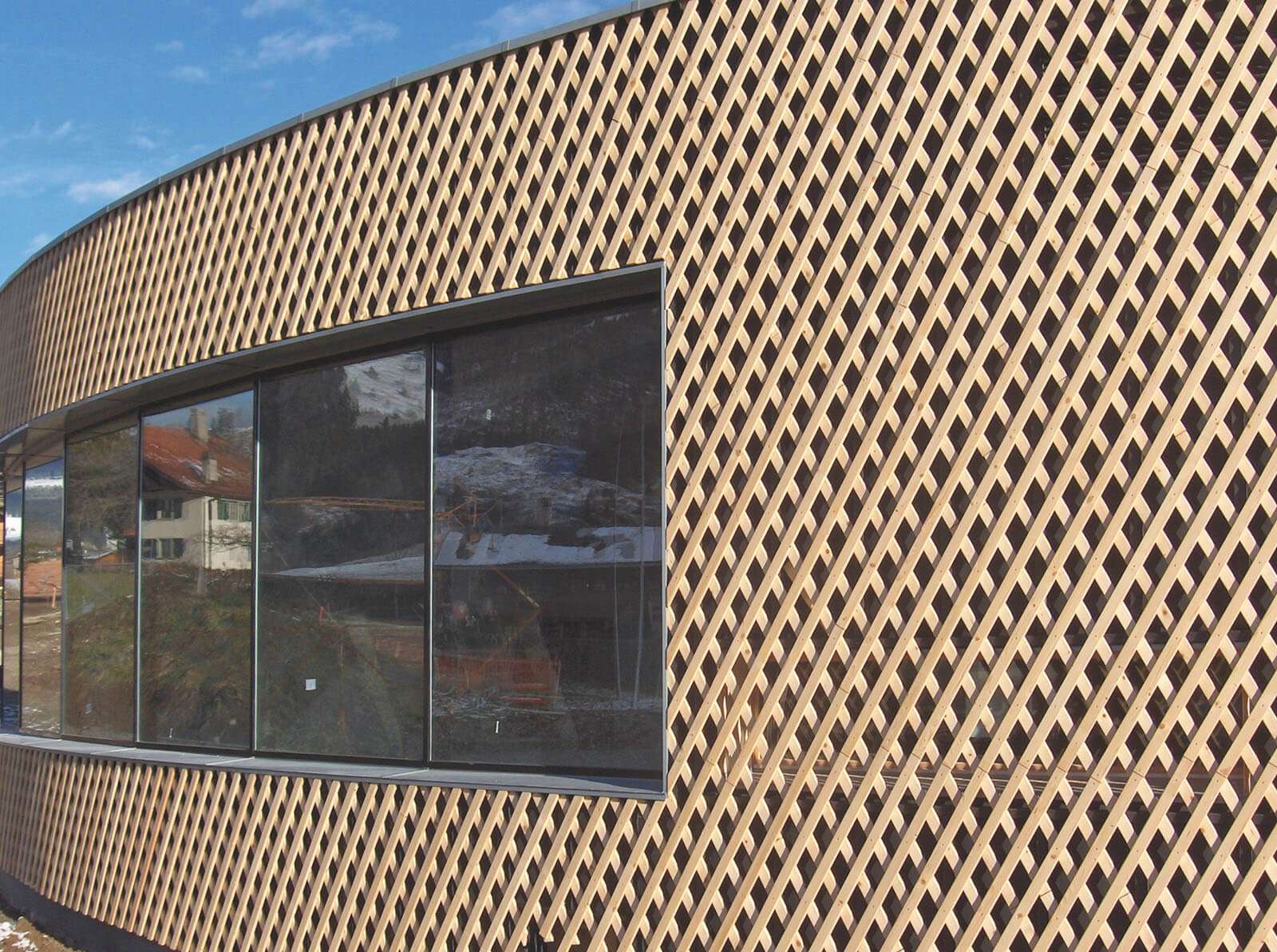
This is particularly important for increasingly popular façade systems featuring wider joints, expanded metal mesh or perforated cladding, where significantly more sunlight reaches the membrane than in traditional rainscreen constructions. Using a membrane with insufficient UV resistance for the intended façade geometry can reduce its long-term durability and compromise weather protection over time.
For this reason, specifiers should always verify the manufacturer’s tested limits for joint width and exposed surface area, rather than assuming all UV-resistant membranes offer the same level of protection. Some products are designed for relatively small openings, while others are engineered to perform behind façades with much larger open areas, providing greater flexibility for contemporary architectural designs.
Water Resistance Remains Essential
While UV performance often receives the greatest attention, the membrane’s primary function remains protecting the building envelope from water ingress while allowing water vapour to escape.
Partially open cladding systems inevitably expose the membrane to higher levels of wind-driven rain than closed rainscreen façades, making water penetration resistance especially important.
A Class W1 rating represents the highest level of water resistance under EN 13859-2 and is generally recommended for open façades, high-rise buildings and projects in exposed locations. By preventing water reaching insulation and structural components, a W1 membrane helps preserve thermal performance while reducing the risk of moisture-related deterioration.
Just as importantly, this level of water resistance should be maintained after prolonged UV exposure. A membrane that loses its weatherproofing performance over time can undermine the effectiveness of the entire wall build-up.
Breathability Protects the Building Fabric
Effective moisture management remains fundamental to the long-term performance of any external wall.
Highly vapour-permeable breather membranes allow moisture generated within the building to diffuse safely through the wall construction while preventing external water from entering. This reduces the risk of interstitial condensation, protects insulation performance and helps maintain the structural integrity of the building envelope.
Maintaining breathability alongside water resistance and UV stability is essential. Specifiers should therefore look for membranes that continue to deliver all three performance characteristics throughout their service life rather than excelling in only one area.
Fire Performance Cannot Be Overlooked
Alongside weather protection, fire safety has become a major consideration when specifying components within external wall systems.
For buildings with external walls above 18 metres in England (and 11 metres in Scotland), breathable façade membranes must achieve a minimum Euroclass B-s3,d0 reaction-to-fire classification. Increasingly, many projects are specifying A2-s1,d0 membranes to align with wider non-combustible façade strategies and provide an additional level of reassurance.
As façade designs become more ambitious, selecting membranes that combine proven UV durability with high fire performance enables designers to meet both aesthetic aspirations and regulatory requirements.
Selecting a breather membrane for an open-jointed façade should never rely on a single performance characteristic. UV resistance, water penetration, vapour permeability, fire classification, mechanical strength and long-term durability all work together to determine how effectively the membrane will protect the building throughout its design life.
The most effective products are engineered as complete systems, using UV-stable coatings applied to durable non-woven substrates that maintain their performance after years of exposure to sunlight, heat and weather. As architects continue to embrace increasingly expressive façade designs, breather membranes are becoming a more critical element of the building envelope than ever before. By considering the full range of technical requirements rather than focusing solely on UV resistance, specifiers can ensure the concealed layer behind the façade continues to protect both the building and its occupants for decades to come.