
Gas Resistant Membranes for Building Footprints: Foil-Encapsulated vs Non-Foil Systems.
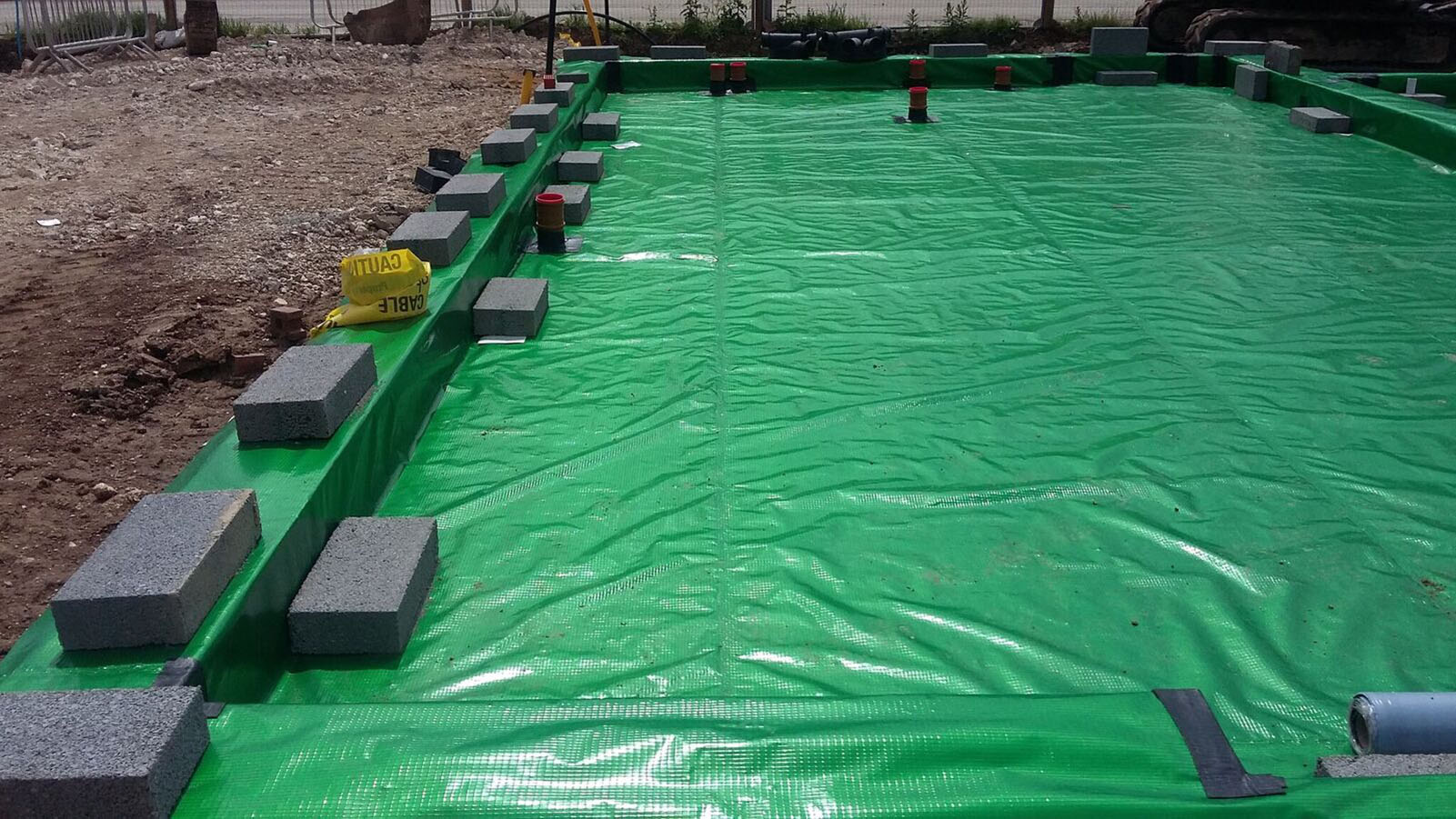
Gas Resistant Membranes for Building Footprints: Foil-Encapsulated vs Non-Foil Systems.
Why Gas Resistant Membranes Matter
Ground gases methane, carbon dioxide, radon, and volatile organic compound (VOC) vapours from hydrocarbon contamination pose a genuine risk to buildings constructed on or near contaminated land, former landfill, made ground, or naturally gas-emitting geology. Left unmanaged, these gases can accumulate beneath a building’s footprint and migrate into occupied spaces, creating explosive, asphyxiating, or toxic conditions.
In the UK, the design of protective measures is governed by BS 8485:2015+A1:2019 (methane and carbon dioxide ground gases), with BS 8102:2022 applying where a gas barrier must also perform as structural waterproofing, for example in basements or earth-retained structures. Where site risk assessment identifies a gas hazard, a gas resistant membrane laid across the entire building footprint is typically specified as part of a layered protection strategy, often combined with venting, sub-floor voids, and gas protection scoring systems.
At the heart of that specification sits a fundamental choice: foil-encapsulated membranes, which have historically dominated the market, or non-foil membranes, a newer generation of products built without an aluminium layer. Each has a distinct performance profile, and the right choice depends heavily on the specifics of the project.
How the Two Membrane Types Work
Foil-encapsulated membranes
These are multilayer laminates built around a thin aluminium foil core, typically around 0.012mm thick sandwiched between layers of low-density polyethylene (LDPE), often with a reinforcing scrim or grid. The aluminium layer is the primary gas-resistant element, since metals offer an extremely low permeability pathway compared with most polymers alone.
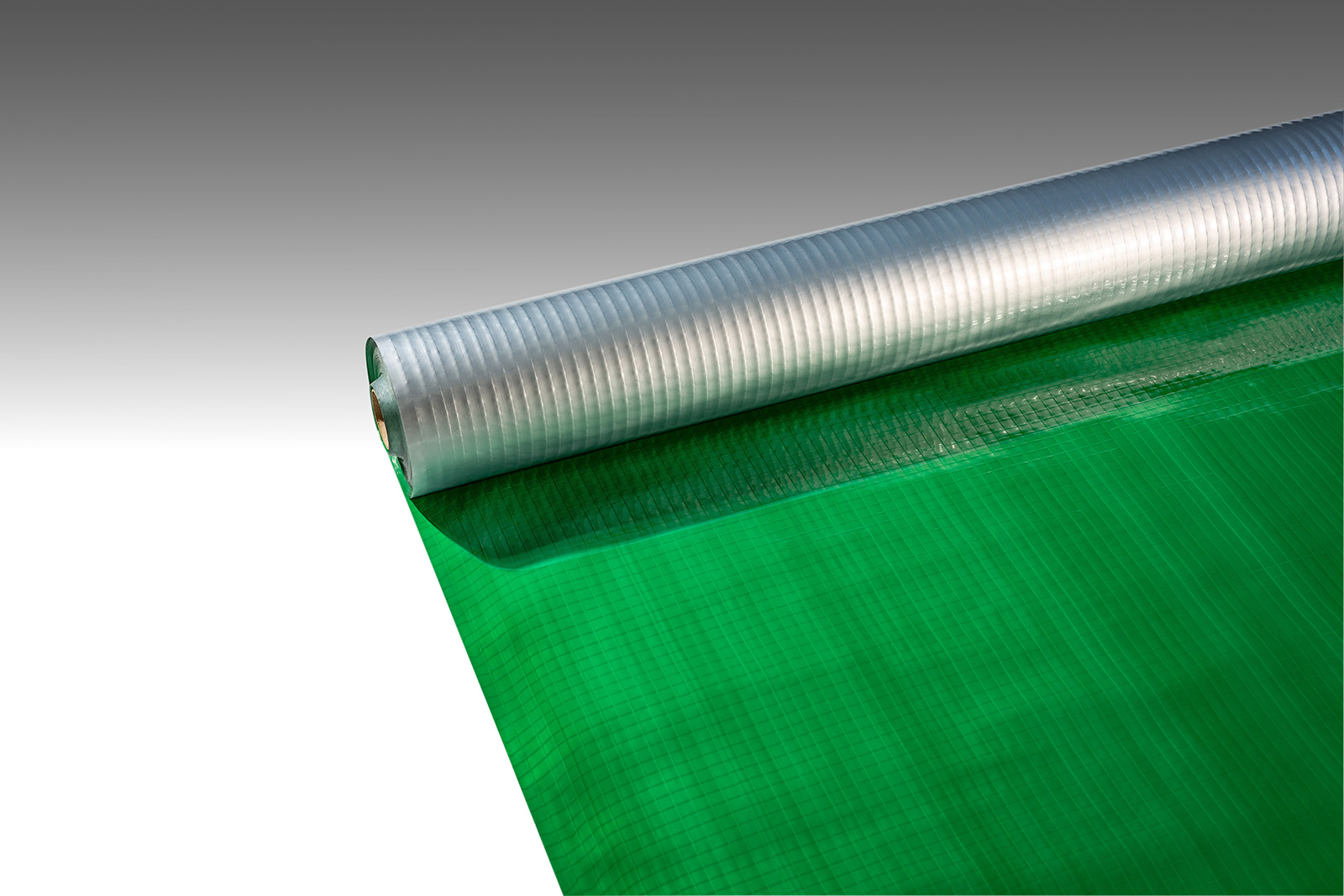
Non-foil membranes
Non-foil membranes achieve gas resistance without any metallic layer, instead relying on multiple polymeric layers, often incorporating specialist barriers that are, engineered to deliver equivalent gas resistance performance, to foil-based products, while being independently tested and certified (commonly via BBA, Kiwa certification) against BS 8485 and EN 13967.
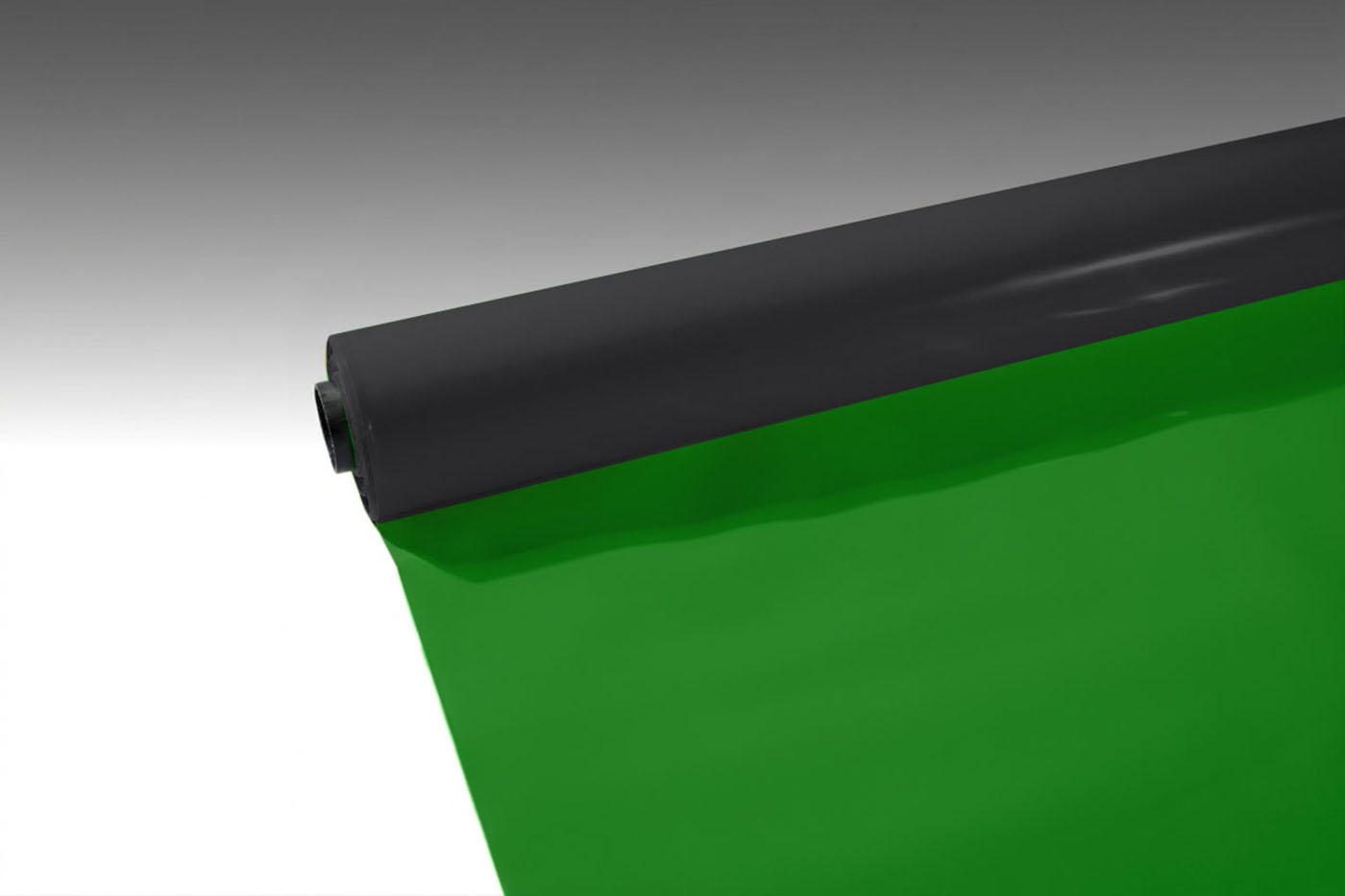
Advantages and Limitations of Foil-Encapsulated Membranes
Advantages
Very low gas permeability:
Aluminium provides an intrinsically effective barrier to methane, carbon dioxide, and radon, which is why foil-based products have long been the industry benchmark.
Established track record:
Decades of use, familiar installation methods, and broad designer/contractor familiarity.
Combined DPM function:
Many foil products also serve as a damp proof membrane, removing the need for a separate DPM layer in some build-ups.
Good puncture/tear resistance when reinforced:
Multilayer construction with a reinforcing grid gives reasonable mechanical robustness during installation.
Limitations
Corrosion risk:
Aluminium is potentially vulnerable to degradation in alkaline environments, including direct or prolonged contact with fresh wet concrete or screed and in moist or acidic ground conditions.
Corrosion of the foil layer may compromise the very gas resistance it’s installed to provide, an issue documented in independent geosynthetics research.
Puncture vulnerability at the foil layer:
The foil itself is extremely thin, sharp or narrow objects (rebar off-cuts, aggregate, site debris) can penetrate it even where the outer LDPE layers show minimal visible damage and unlike the polymer layers, once breached the foil doesn’t reseal or self-heal.
Regulatory information:
NHBC has tightened its NF94 guidance in a way that has pushed many NHBC-registered projects away from traditional foil-based products, meaning foil membranes may no longer be acceptable on certain regulated new-build schemes without additional justification.
Jointing sensitivity:
Foil layers typically rely on taped joints rather than heat welding, depending on the installer chosen, which some specifiers regard as offering less certainty of a continuous, verifiable seal compared with welded systems. Taped joints can be used but there is a particular need for attention to detail. Hot air welded joints would generally be the preferred option.
Advantages and Limitations of Non-Foil Membranes
Advantages
No corrosion risk:
Removing the aluminium layer eliminates the specific failure mode of foil degradation in alkaline or moist conditions, supporting longer-term integrity once cast into concrete.
Inspection:
Many non-foil products are easier to visually inspect on site, allowing installers and integrity testing to verify joint quality and substrate condition more readily.
Heat-weldable joints:
Non-foil membranes are often designed for both heat-welding and taping, giving more robust, verifiable seam options than tape-only foil systems.
Increasingly the compliant default:
As NHBC and other regulatory bodies tighten guidance, non-foil membranes are positioned as the forward-compatible choice for NHBC-registered and similarly regulated developments.
Comparable certified performance:
Leading non-foil products are independently tested and certified to the same standards (BS 8485:2015+A1:2019, EN 13967) as foil alternatives, so the compliance route is well established rather than experimental.
Multi-functional variants available:
Non-foil VOC-resistant membranes are available for sites with hydrocarbon contamination, alongside standard methane/CO2/radon variants.
Limitations
Relatively newer to market:
Fewer years of long-term, in-service performance data compared with the multi-decade track record of foil membranes, though this gap is narrowing quickly.
Product variability:
“Non-foil” covers a range of underlying polymer technologies of differing performance, so gas resistance and durability can vary more between manufacturers than the relatively standardised foil approach specifiers need to check test data and certification for the specific product rather than assuming equivalence across the category.
Site familiarity:
Installers accustomed to foil systems may need retraining or supervision on welding techniques specific to non-foil products to achieve consistent joint quality.
Practical Selection Considerations
Choice between the two isn’t purely a performance question it’s shaped by:
– Regulatory route: NHBC-registered developments increasingly favour or require non-foil solutions under updated NF94 guidance; non-NHBC projects retain more flexibility.
– Concrete contact condition: where the membrane will be in prolonged or direct contact with wet concrete or screed, or in consistently damp ground, the corrosion resistance of non-foil products is a meaningful advantage.
– Installation quality control: projects where visual verification of joints and substrate is a priority (e.g., high gas hazard sites requiring multiple protection points under BS 8485) may favour the inspectability of non-foil systems.
– VOC/hydrocarbon risk: sites with hydrocarbon contamination need a product specifically rated for VOC resistance, our VOC testing has shown the vulnerability of foil when exposed to alkaline and acid withing VOC contaminated land, Non-foil membranes have been used for some time in these environments.
– Waterproofing overlap: where the membrane must also meet BS 8102 structural waterproofing requirements (basements, earth-retained structures), product selection should be checked for dual compliance rather than gas performance alone.
– Cost and programme: budget constraints and installer familiarity may still favour established foil products on some projects, provided the corrosion risk is properly managed through detailing and workmanship.
The separation of foil layered membranes, to wet concrete still allows the use of foil encapsulated membranes.
Conclusion
Foil-encapsulated membranes built their reputation on genuinely excellent gas resistance and decades of proven use, but that aluminium core is also their principal weakness, vulnerable to corrosion in alkaline concrete environments and difficult to inspect once installed. Non-foil membranes address both issues directly, and independent certification confirms they can match foil performance against BS 8485 and EN 13967, while aligning with where NHBC guidance is heading. For most new-build projects and especially NHBC-registered ones — non-foil is increasingly the default specification, with foil membranes remaining a viable option mainly where regulatory requirements don’t apply and where corrosion risk can be reliably managed through good detailing and installation practice.
Note: Standards and NHBC guidance referenced here (BS 8485:2015+A1:2019, BS 8102:2022, NHBC NF94) are subject to periodic revision. Always confirm current requirements with the relevant body and check manufacturer certification (BBA, EN 13967) for the specific product being specified.
Here at Industrial Textiles & Plastics Ltd we can cover any site contamination with both foil membranes such as the Powerbase Multigas 500, and non-foil membranes like our Powerbase Gas NF, with the move towards non-foil we have developed a full range for radon, methane and co2, hydrocarbon and chemical resistant membranes for contaminated land projects. These membranes are compliant to all standards and current legislation. We have covered all current industry thinking to offer solutions to any site issue.
For further information, please contact our team on +44(0)1347 825200.